There is no free lunch in industrial carbon credits
The voluntary carbon market is going through a long-overdue reckoning. Buyers ask harder questions. Investors push back on assumptions. Journalists test whether the numbers behind a claim hold up under scrutiny. That conversation is healthy, and industrial credits belong in it.
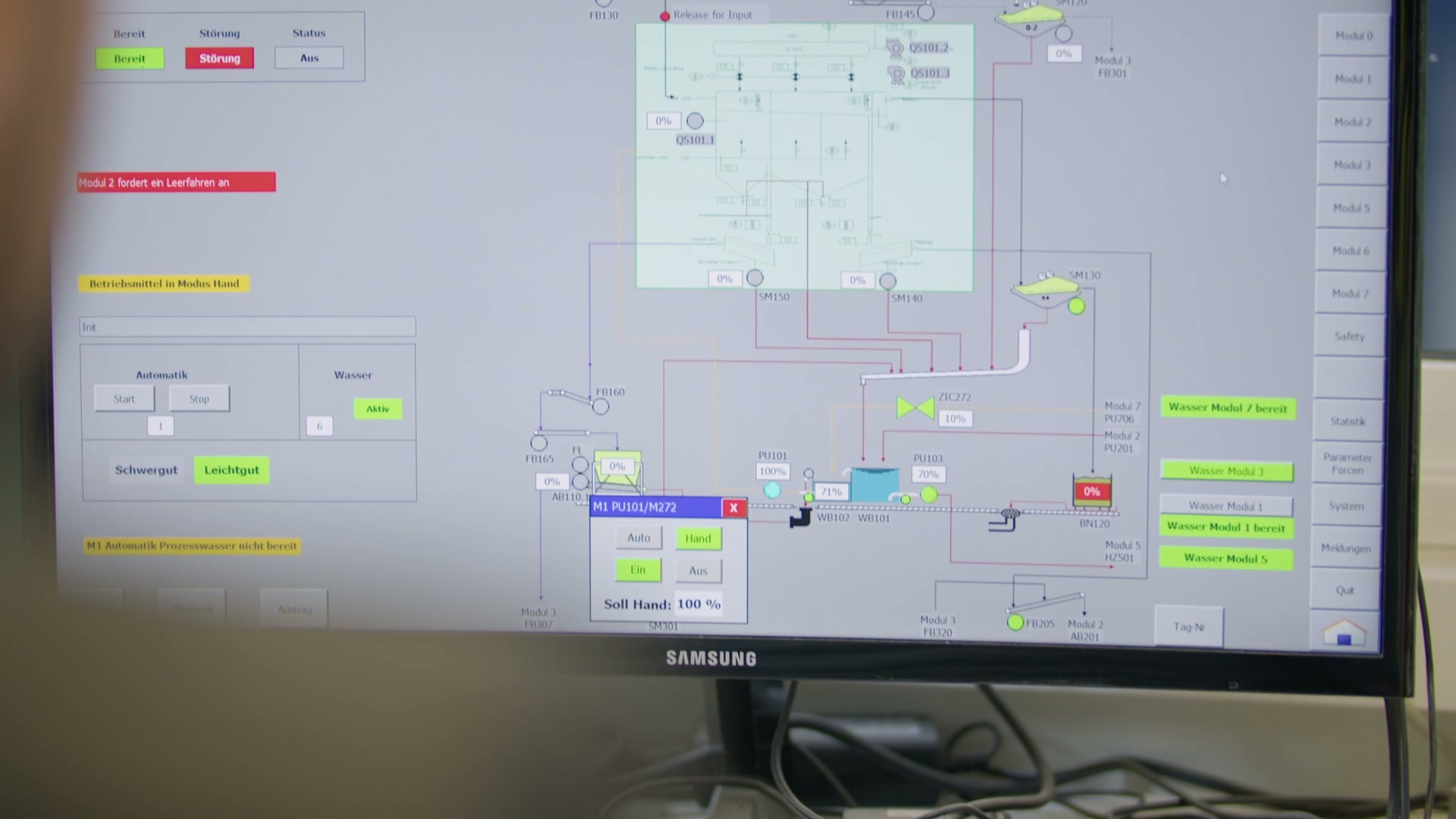
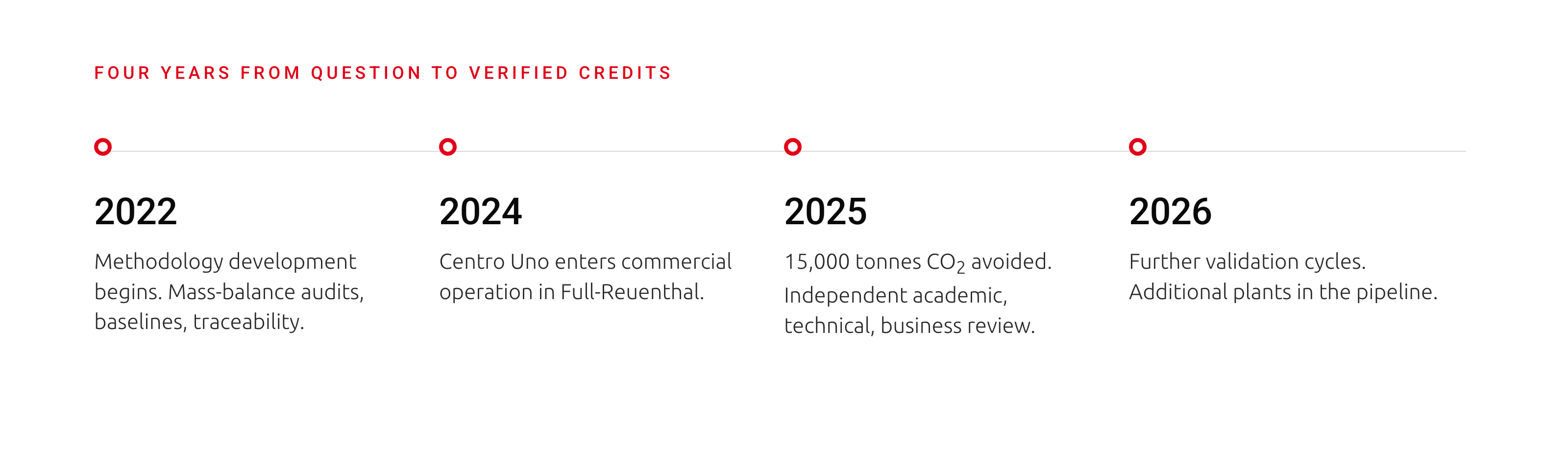
Four years ago, the team at Selfrag started with a question that sounded simple: can the avoided emissions from recovering metals out of incinerator bottom ash be turned into a verifiable carbon credit? The technology answer came relatively fast. Centro Uno, our first commercial-scale plant, has been running since 2024. The methodology answer took four years and is what this piece is about.
Technology is the easier part
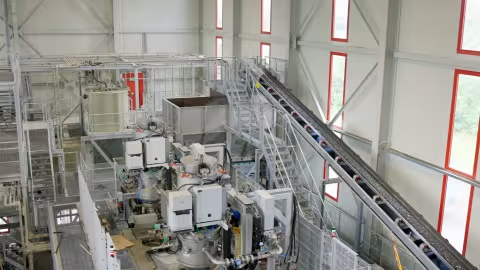
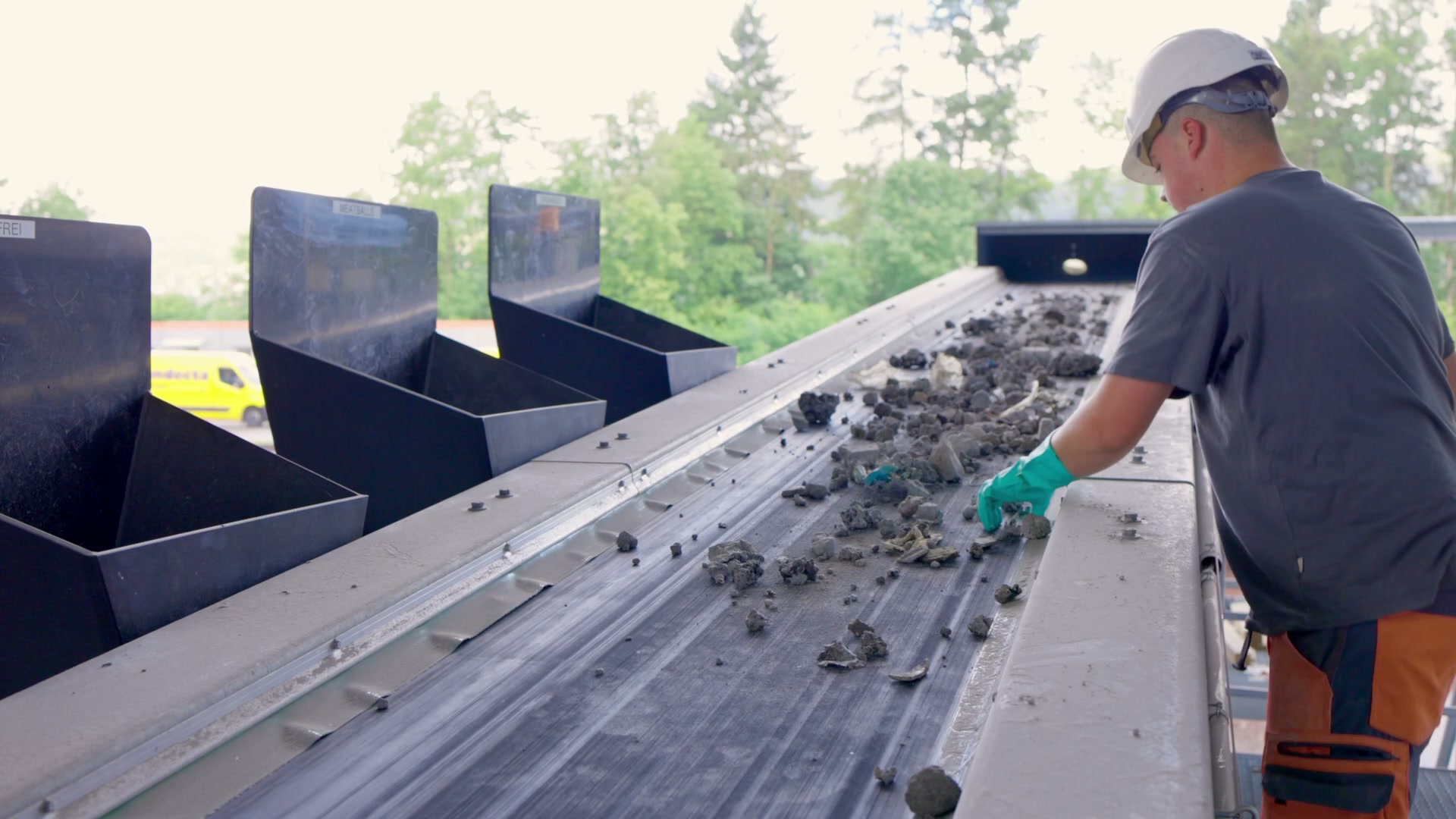
The visible part of what Selfrag does is industrial. Bottom ash from waste-to-energy plants enters our process, and metals come out the other end ready for the steel cycle. Iron, copper, brass, stainless. Those metals replace virgin material in steel mills, which is where the emissions are avoided.
That story is straightforward to explain. It is not what took four years.
Methodology is the harder part
The hard part is everything that has to be true before a tonne of avoided CO2 can credibly be sold to a sophisticated buyer. Mass-balance audits across the full plant input/output. Emissions accounting against the right industry baselines, not the convenient ones. Mineralogical traceability so each tonne of recovered metal can be tied back to its source stream. Lab cycles. Then independent academic, technical and business review, in that order, with the right to push back at each step.
None of that ends up on a marketing slide. It ends up in the documentation packages that serious buyers read before they sign.
Four lessons from four years
1. Patience compounds credibility
A weaker, faster path was always available. We could have published a less rigorous methodology and called it certified by year two. We chose not to, because the buyers we want are the buyers who can tell the difference. In 2022 that felt like an unnecessary sacrifice. In 2026 it looks like the only sensible choice.
The voluntary carbon market is sorting projects into two piles right now. Sloppier projects from the last decade are being repriced or written down. Projects that did the slower work are being repriced upward. The compounding effect of integrity is starting to show in the price column.
2. Industrial permanence is structural, not aspirational
Once iron leaves our plant and goes into a steel mill, the avoided emissions are not a model. They are physics. No forest that can burn down. No soil that can be re-tilled. No project that can be cancelled. The carbon stays out of the atmosphere because the iron stays in the steel.
That difference makes industrial credits a separate category, not a variant of nature-based ones. Permanence in industrial credits is a property of the process, not a probability estimate dependent on future land-use decisions.
3. The voluntary market in 2025 is not the market of 2020
Buyers ask harder questions. They want supplier access. They push back on assumptions. They run their own counter-models. That sophistication is healthy, and it raises the structural bar for new entrants in a way the market has not seen before.
For Selfrag, this is good news. The questions buyers ask in 2026 are exactly the questions our four years of methodology work was designed to answer.
4. Switzerland is a quiet advantage in this work
Regulatory clarity. Scientific institutions willing to scrutinise methodologies without producing politically convenient answers. Pension funds and infrastructure investors that read the documents before they sign. The footprint is small, but the integrity bar is genuinely high. Working out of Switzerland has shaped how this methodology was built and what it withstands.
Where we are today
The number Selfrag shares publicly: 15,000 tonnes of CO2 avoided through 30 June 2025 at Centro Uno. The methodology behind that number is what we have been building. The work continues, with further validation cycles in 2026 and additional plants in the pipeline.
Industrial credits belong in the integrity conversation, not at the margins of it. We will keep doing the work that earns us a seat at that table.
Fragen zu diesem Artikel oder unserer Technologie?
Kontakt aufnehmen ›Aktuelle News
Vom Abfall zum Wert. Und jetzt zu CO₂-Zertifikaten.
Centro Due in Kerzers: Bau nimmt Fahrt auf